



Nefertari Temple Statue Ramses II
"Statua Ramses II and Nefertari Temple Statue" (Statua Ramses II Tempio Nefertari) is a giant rock carving group in the New Kingdom period of ancient Egypt (about the 13th century BC), located in Aswan Province in southern Egypt Inside the temple, it is a monumental building built by the ancient Egyptian pharaoh Ramses II for his favorite queen Nefertari. With its grand scale, exquisite craftsmanship and profound religious and political connotation, this group of statues has become one of the most representative artistic treasures of ancient Egyptian civilization.

Ancient Egyptian pharaoh Ramses II megalithic statue
This stone sculpture is one of a pair of statues in front of the Ramses Museum. Ramses II (Ramses II), also known as Ramses the Great, was a pharaoh of the 19th dynasty of ancient Egypt and one of the most famous pharaohs of ancient Egypt. He ruled Egypt for about 66 years, from about 1279 BC to 1213 BC.

Ramses II Granite Head British Museum Collection
This statue depicts the 19th Dynasty Pharaoh Ramses II wearing a holy serpent crown and a Nimes turban. The statue was damaged by the time it was found, with the limbs and lower half missing. It is one of a pair of statues of Ramses originally located on the flank of the gate of the Temple of Lamesim, and the head of the other statue is still at the gate of the Temple of Lamesim. The statue was transported from Egypt to England in 1816 by the Italian explorer Giovanni Berzoni and acquired by the British Museum in 1821. It is now one of the representative artifacts of the British Museum, displayed in Hall 4.

Popular Models

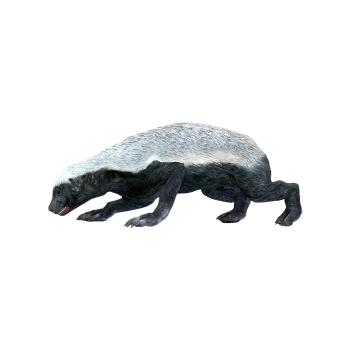
Honey Badger (3D animated model)
194 View
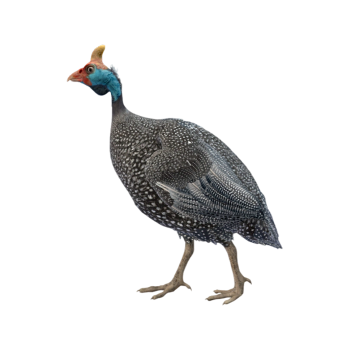
Guinea fowl (3D animated model)
165 View
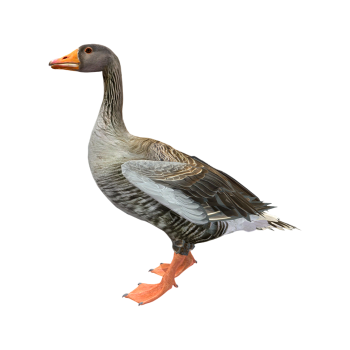
Wild Goose (3D animated model)
187 View
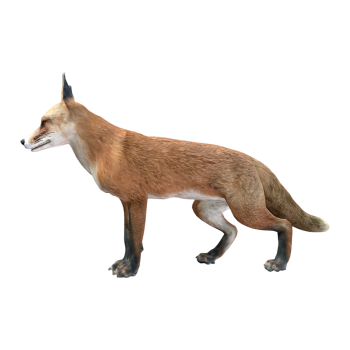
Red Fox (3D animated model)
155 View
Random Model


New Leather Bar Stool
348 View

French Chanel Round Tote
961 View
Arabian Style Market Tent
825 View


BMW E39 car (red)
1146 View


MEDPOLY Ski Patrol Snowmobile
698 View

Vintage old-fashioned tape recorder
718 View

The camera of Michislav Kalowitz
758 View